

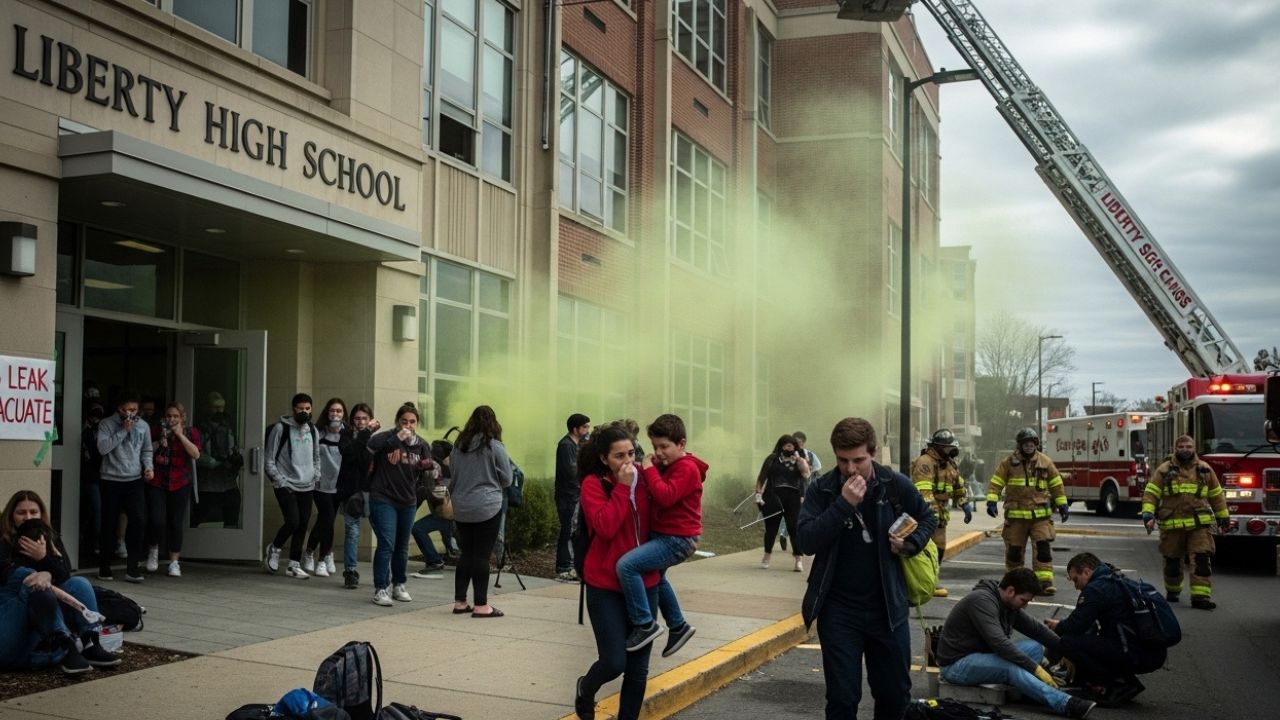
In an alarming turn of events, Liberty High School faced a gas evacuation due to unexpected leaks coinciding with severe thunderstorm alerts issued for several South Carolina counties. This incident not only raised concerns among the school community but also highlighted the importance of emergency preparedness in the face of natural disasters. As weather patterns become increasingly unpredictable, understanding the implications of severe weather and how communities respond is essential.
Overview of the Situation
The Gas Evacuation Incident
On [insert date], Liberty High School in South Carolina underwent an unexpected gas evacuation procedure. Local authorities detected a gas leak during routine inspections, prompting immediate action to ensure the safety of students and staff. Evacuations were conducted swiftly, and the school was cleared to prevent any potential hazards.
The students were evacuated to nearby locations where they remained safe while emergency services addressed the situation. Communication with parents was prioritized, and updates were relayed through various channels to keep the community informed about their children’s safety.
Severe Thunderstorm Alerts
Concurrently, as the gas evacuation unfolded, severe thunderstorm alerts were issued for several South Carolina counties, including [insert specific counties]. The National Weather Service (NWS) urged residents to remain vigilant, warning of possible flooding, strong winds, and thunderstorms that could lead to hazardous conditions. The overlap of the gas evacuation and thunderstorm alerts sent shockwaves through the community, adding an extra layer of concern.
The Impact on the Community
Safety Protocols and Emergency Response
The Liberty High School incident emphasizes the critical nature of emergency preparedness protocols. During times of crisis, the effectiveness of response teams can mitigate risks significantly. In this case, school officials acted swiftly alongside local law enforcement and firefighters, demonstrating that effective communication and preparedness are key to safeguarding lives.
The collaboration between different emergency response departments ensured a smooth evacuation process. Parents were kept up to date via text alerts and school websites, allowing them to remain informed throughout the ordeal. This experience serves as a reminder of the importance of having robust communication channels in any emergency situation.
Emotional Response of Students and Parents
The emotional toll on students and their families during such emergencies cannot be understated. The fear and uncertainty surrounding both the gas leak and the severe thunderstorm alerts created a charged atmosphere. Schools play a crucial role in providing a sense of security, and moments like these can shake that foundation.
Parents expressed their concerns about the safety of their children and appreciated the quick actions taken by school officials and emergency responders. This experience also fostered a sense of community resilience, as neighbors and families came together to support one another during this distressing time.
Preparing for Future Emergencies
Importance of Community Awareness and Education
One of the vital takeaways from this episode is the necessity for community awareness and education regarding emergency preparedness. Schools, local governments, and organizations must collaborate to ensure that the community is equipped with the necessary knowledge to react appropriately in crises.
Programs that educate students about safety protocols, including fire drills, gas leak procedures, and severe weather responses, can build confidence in their ability to handle emergencies. Moreover, regular community training and simulations can prepare residents, helping them remain calm and collected during real emergencies.
Developing an Emergency Response Plan
Creating and maintaining an up-to-date emergency response plan is essential for schools and communities alike. This plan should address multiple scenarios, including gas leaks, severe weather, and any potential threats that may arise. It should detail evacuation routes, shelter locations, and communication channels to ensure everyone knows how to respond.
Conducting regular reviews and drills of these plans can help identify strengths and weaknesses, allowing for improvements where necessary. Engaging with professionals to help formulate these plans can also provide valuable insights and expertise.
The Role of Weather Predictions
Meteorological Advancements
The incident serves as a reminder of the paramount importance of accurate weather predictions. As technology advances, meteorologists are becoming increasingly skilled at forecasting severe weather conditions. Early alerts can save lives by giving people enough time to prepare for storms and evacuate if necessary.
As climate change continues to impact weather patterns, reliance on accurate meteorological data is more important than ever. Collaboration between meteorologists and emergency services can lead to more efficient response strategies during extreme weather events.
Community Preparedness for Weather-Related Emergencies
Timely weather alerts can empower communities to take proactive measures before a storm hits. For instance, having a community-wide alert system could enhance communication, ensuring that information reaches everyone promptly. Whether through text messages, social media, or local news, disseminating important information can aid in keeping the public informed.
Moreover, communities should prioritize developing resources that enable residents to prepare for extreme weather. This may include distributing emergency kits, establishing designated shelters, and hosting informational workshops on readiness.
Conclusion
The gas evacuation at Liberty High School presented a unique intersection of school safety and severe weather challenges, affecting not only those directly involved but the entire community. It underscored the importance of emergency preparedness and effective communication in times of crisis. By learning from such experiences and implementing proactive measures, communities can work towards ensuring safety in the face of natural disasters.
Through community awareness, education, robust emergency response plans, and incorporating advanced weather predictions, residents can cultivate a culture of preparedness that benefits everyone. This incident serves as both a challenge and an opportunity for growth, laying the foundation for a more resilient future.
Frequently Asked Questions
1. What triggered the gas evacuation at Liberty High School?
The evacuation was triggered by a gas leak detected in or around the school premises, prompting immediate safety precautions.
2. What should students do during a gas evacuation?
Students and staff should follow the school’s evacuation plan, exit the building calmly, and gather at the designated safe area away from the school.
3. How will parents be informed about the evacuation?
Parents will be notified through the school’s emergency communication systems, which may include phone calls, texts, emails, and social media updates.
4. What steps are taken to ensure student safety during a gas evacuation?
Emergency services, including local fire and rescue, are notified immediately to assess the situation. Staff is trained to manage evacuations and ensure all students are accounted for.
5. How can parents confirm their child’s safety during the evacuation?
Parents can check the school’s official communication channels or contact the school’s main office for updates regarding their child’s safety.
6. Will students return to school after the evacuation?
The decision to return to school will depend on the assessment of the situation by emergency services. If deemed safe, students will return after a thorough inspection of the premises.
7. What should parents do if their child is not at school during the evacuation?
Parents should remain calm and wait for further instructions from the school regarding the situation. The school will provide updates and information on when to pick up students if necessary.
8. How can students and staff prepare for future emergencies?
Students and staff can participate in emergency drills, stay informed about safety procedures, and understand the signs of potential hazards related to gas leaks.
9. What resources are available for parents with concerns about the evacuation?
Parents can reach out to the school counseling office, which may provide information and support related to the evacuation and safety measures.
10. Will there be any follow-up communication after the incident?
Yes, the school will provide follow-up communication to update parents and the community about the situation, safety assessments, and any changes to school operations.