

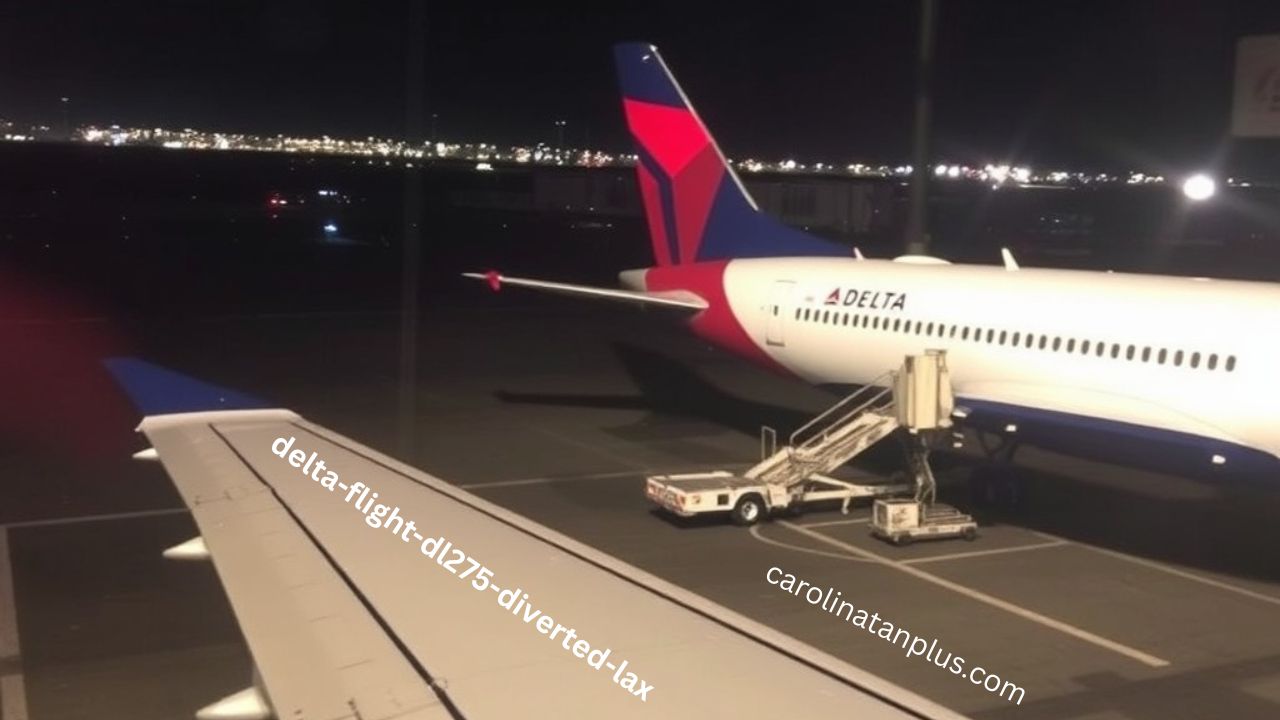
Flight diversions are not uncommon in the aviation industry. Factors such as inclement weather, air traffic control decisions, or mechanical issues can compel pilots to change course. The primary purpose behind these diversions is to ensure the safety of passengers and crew.
Why Delta Flight DL275 Diverted?
In the case of Delta Flight DL275, the specific reasons behind the diversion to LAX involved a combination of severe weather conditions and perhaps scheduling constraints. Understanding these factors gives both passengers and the public insight into the decision-making processes that pilots and airlines must navigate.
The Role of Weather in Flight Diversions
Severe weather is one of the most prevalent reasons for flight diversions. Thunderstorms, high winds, and low visibility can pose significant challenges for pilots. In the event of Delta Flight DL275, it is likely that the weather conditions at the original destination warranted a precautionary diversion to LAX, which may have offered safer landing conditions.
Air Traffic Control Decisions
Air traffic control also plays a pivotal role in flight diversions. They monitor airspace and make decisions to manage the flow of traffic. If multiple flights are converging toward a single airport and the conditions are adverse, air traffic control may advise pilots to divert to a nearby airport for safety reasons.
Impacts on Passengers
Emotional and Physical Toll
The diversion of Delta Flight DL275 undoubtedly impacted its passengers. For those on board, the immediate emotional strain of an unexpected landing can be considerable. Passengers may experience anxiety over safety, confusion regarding their travel plans, and frustration due to delays.
Rebooking and Accommodations
Following a diversion, airlines often scramble to accommodate displaced passengers. Delta Air Lines typically has protocols in place for rebooking flights and providing overnight accommodations when necessary. Passengers on Flight DL275 would have likely encountered these inconveniences, and it is important to consider the operational challenges that airlines face in these situations.
Communication from Airlines
Transparency and Information
In the wake of Delta Flight DL275 being diverted to LAX, the importance of transparent communication from the airline could not be overstated. Airlines are responsible for keeping their passengers informed about flight statuses, reasons for diversions, and alternative arrangements.
Social Media’s Role
In today’s digital age, information spreads quickly, especially through social media. Delta and other airlines often utilize platforms like Twitter and Facebook to provide real-time updates on flight statuses. During the diversion of Flight DL275, social media would have served as a crucial communication channel for anxious passengers.
Media Coverage and Public Reaction
How the News Spread
The diversion of Delta Flight DL275 likely attracted media attention not only because of its impact on passengers but also due to its implications for the airline’s service reputation. News outlets quickly picked up the story, contributing to public awareness and scrutiny.
Passenger Testimonials
The stories and testimonials of passengers aboard Delta Flight DL275 would provide a human angle to the event. Such firsthand accounts often highlight the emotional aspects of travel disruptions and serve as a reminder of the real-world impacts of operational decisions made by airlines.
Regulatory and Safety Considerations
Industry Regulations
The aviation industry is heavily regulated to ensure passenger safety. In cases like Delta Flight DL275, there are regulations that govern how airlines must handle diversions, including requirements for passenger care and safety measures.
Best Practices for Flight Safety
Following incidents involving flight diversions, industry stakeholders often review best practices and procedures. Such evaluations are integral to maintaining high safety standards in aviation. The situation surrounding Delta Flight DL275 adds to the ongoing discourse about air travel safety and efficiency.
Conclusion
Delta Flight DL275’s diversion to LAX underscores the complex interplay between safety, communication, and passenger experience in modern air travel. Understanding the reasons behind such diversions helps educate the public and fosters appreciation for the operational challenges faced by airlines. Flight diversions, while inconvenient, are often necessary for ensuring the safety of everyone involved in air travel.
By examining incidents like Flight DL275, we gain insight into the broader aviation landscape, helping to demystify the processes that govern our air travel experiences. As the industry continues to evolve, so will the strategies employed to navigate challenges such as flight diversions, ultimately improving safety and reliability for all.
Frequently Asked Questions (FAQs)
. Why was Delta Flight DL275 diverted to LAX?
Delta Flight DL275 was diverted to Los Angeles International Airport (LAX) due to a combination of severe weather conditions and air traffic management decisions. Compromised visibility or turbulent weather at the original destination may have necessitated this precautionary landing to ensure passenger and crew safety.
2. What should passengers do during a flight diversion?
During a flight diversion, passengers should remain calm and listen to announcements from the flight crew. It’s advisable to keep all personal items in reach, as flights may require quick boarding back onto buses or alternative aircraft. Staying updated through the airline’s app or website can also help in understanding the next steps.
3. How does Delta Air Lines handle diversions?
Delta Air Lines has established protocols for managing flight diversions. These protocols include:
- Communication: Keeping passengers informed about the reason for the diversion and any subsequent travel arrangements.
- Rebooking Assistance: Arranging alternative flights for passengers who might miss connections.
- Accommodation: Providing hotel accommodations when necessary, especially for overnight delays.
4. Are flight diversions common in the aviation industry?
Flight diversions are not uncommon in the aviation sector. Weather issues, technical problems, or emergencies can lead airlines to change course. Airlines prioritize safety, so these diversions are a precautionary measure rather than an everyday occurrence.
5. How do weather conditions affect flight plans?
Weather conditions can dramatically influence flight safety and planning. Severe thunderstorms, high winds, and icy conditions can lead to diversions or cancellations. Airlines and pilots closely monitor weather forecasts, and proactive measures are often taken to reroute flights before adverse conditions arise.
6. Will passengers receive compensation for a diversion?
Compensation varies based on the circumstances surrounding the flight diversion. If it occurs due to airline negligence (like technical failures), passengers may be eligible for compensation. Conversely, weather-related diversions typically do not qualify for financial compensation under most airline policies.
7. How can passengers stay informed about their flights?
Passengers should leverage multiple channels for flight updates:
- Airline App: Real-time notifications about delays, cancellations, and diversions.
- Website Updates: Checking the airline’s official site for announcements.
- Social Media: Following the airline on platforms like Twitter for instant updates.
8. What happens to baggage during a flight diversion?
Baggage usually remains on the diverted aircraft unless it needs to be offloaded for safety or operational reasons. Delta Air Lines attempts to keep baggage with the passengers and will provide updates on baggage retrieval when diverting flights land.
9. What should passengers know about rebooking after a diversion?
Passengers may be eligible for rebooking on the next available flight once they land. Delta Air Lines typically offers rebooking through its customer service hotline, app, or website. It’s important for passengers to understand their options, particularly if they miss connections due to the diversion.
10. How does air traffic control impact diversion decisions?
Air traffic control plays a significant role in flight safety and can advise pilots on diversions due to congested airspace, weather conditions, or technical issues. Their recommendations help ensure that flights are rerouted to safe locations for landing.
11. Are there any safety protocols in place after a diversion?
Yes, safety protocols are crucial following a diversion. Airlines typically conduct assessments of the aircraft and review any necessary inspections. Additionally, crew members provide briefings to passengers outlining safety procedures based on the new airport or flight changes.
12. How can passengers prepare for potential diversions?
Passengers can prepare for the possibility of diversions by:
- Checking Weather: Before traveling, staying informed about expected weather conditions en route.
- Packing Essentials: Keeping medications and important documents in carry-on luggage.
- Being Flexible: Being open to alternative arrangements as flight plans can change unexpectedly.