

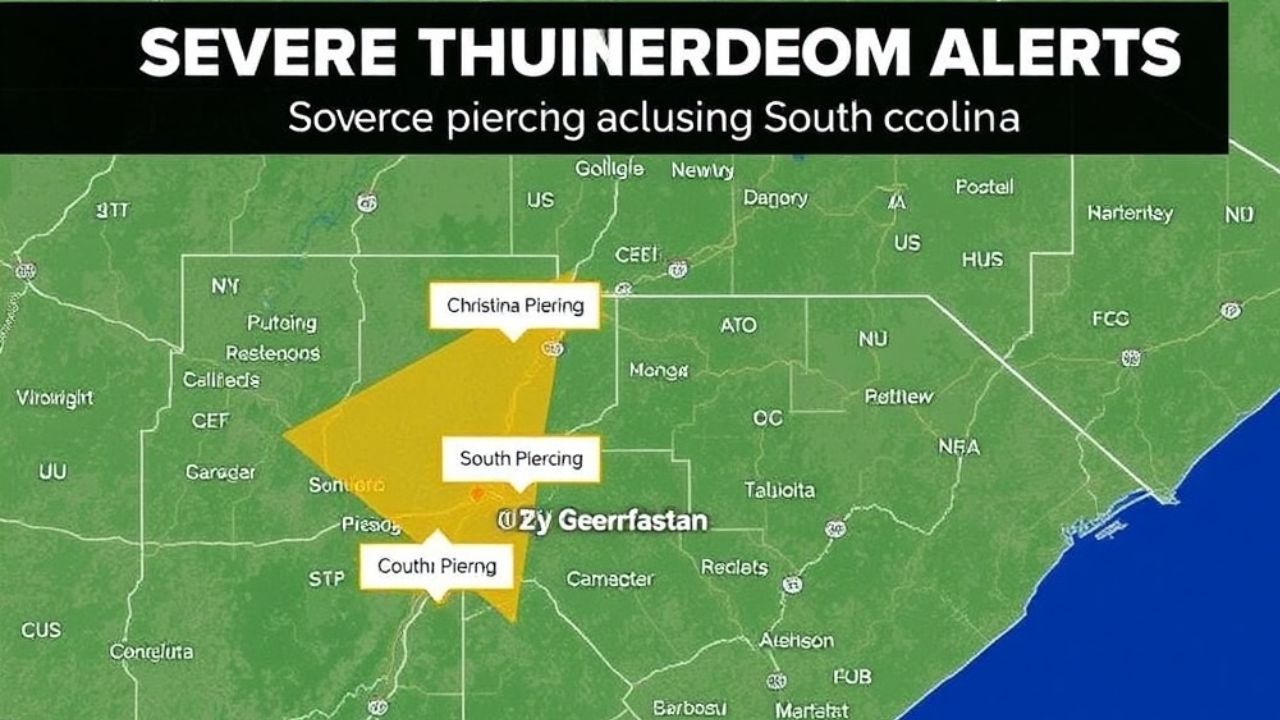
On a typical summer day in South Carolina, dark clouds might gather on the horizon, signaling an impending storm. However, the recent severe thunderstorm alerts issued for South Carolina counties have raised eyebrows and concerns among residents and authorities alike. Among these alerts, the term “Christina piercing” has circulated, becoming somewhat of a buzzword associated with the harsh weather patterns this region is currently experiencing. Understanding the implications of these alerts and preparing accordingly is essential for everyone in the affected areas.
Understanding Severe Thunderstorms
What Constitutes a Severe Thunderstorm?
A severe thunderstorm is defined by specific criteria set forth by the National Weather Service (NWS). Primarily, these storms are characterized by strong winds exceeding 58 mph, hail of at least one inch in diameter, and frequent lightning strikes. When severe thunderstorms develop, it is crucial for local residents to heed alerts and take precautionary measures to ensure safety.
The Role of Weather Alerts
Weather alerts play a critical role in informing the public about impending hazards. In South Carolina, the NWS issues severe thunderstorm alerts to warn residents about the potential for damaging winds, hazardous hail, and intense lightning. Understanding how to interpret these alerts can significantly reduce risk during severe weather events.
The Context of the Christina Piercing Term
Origins and Usage
The term “Christina piercing” has emerged as a colloquial expression in weather discussions, particularly during severe weather events like thunderstorms. While it may sound whimsical, it often embodies the anxiety and urgency that accompany such weather phenomena. As severe thunderstorms loom, discussions around “Christina piercing” have become more pronounced, especially on social media platforms where local news and community updates proliferate.
Public Perception and Reactions
The public’s reaction to severe weather alerts, including those tied to “Christina piercing,” varies from indifference to heightened anxiety. Many individuals in South Carolina are seasoned in dealing with thunderstorms and may take warnings less seriously than they should. However, as recent alerts indicate severe potential, it has become increasingly important for residents to engage seriously with these warnings.
Areas Affected by Severe Thunderstorm Alerts
Overview of Impacted Counties
The severe thunderstorm alerts issued for South Carolina counties include a variety of regions, from urban hubs to rural communities. These alerts often encompass major cities and their surrounding areas, making it imperative for residents to remain alert.
Key Affected Counties
- Greenville County: Known for its vibrant community and outdoor activities, residents must stay informed about storm developments as severe weather can disrupt daily life.
- Spartanburg County: With a growing population, the implications of severe thunderstorms pose a risk to both public safety and infrastructure.
- Charleston County: As a coastal area, flooding is a significant concern during severe thunderstorms, and residents are urged to prepare for potential hazards.
The Southern Impact
Southern counties such as Laurens and Anderson have also been under severe thunderstorm alerts. These regions may experience more localized storms that can produce heavy rainfall, damaging winds, and other hazardous conditions.
Preparing for Severe Thunderstorms
Tips for Safety
When facing severe thunderstorms, preparation can make all the difference. Here are key safety tips for residents:
- Stay Informed: Keep local news stations and weather apps on standby for real-time updates and alerts regarding “Christina piercing” storms in your area.
- Have an Emergency Kit: Equip yourself with essentials such as water, non-perishable food, a flashlight, and a first aid kit.
- Secure Outdoor Items: High winds can transform ordinary objects into dangerous projectiles. Bring in or secure anything that could fly or become damaged during high winds.
- Plan Your Escape Routes: Familiarize yourself with local shelters and routes to ensure you can reach safety quickly if needed.
What to Avoid
During severe weather alerts, avoid the following actions:
- Staying Outside: Even if it seems calm, storms can develop rapidly. Stay indoors and away from windows.
- Using Electrical Appliances: Avoid using wired electronics during storms, as lightning strikes can cause surges that damage devices.
- Ignoring Alerts: Many injuries and fatalities occur when people underestimate the severity of a storm. Always treat alerts seriously.
Community Response to Severe Weather
Local Emergency Services
In the face of severe thunderstorm alerts, local emergency services ramp up their readiness to respond. Emergency management teams work together to ensure that communities are well-informed and prepared. From setting up shelters to mobilizing first responders, their roles are crucial.
Citizen Preparedness
Community organizations often hold meetings prior to the storm season to educate residents about severe weather preparedness. Increasing awareness and empowering residents to take responsibilities for their safety is paramount.
After the Storm: Recovery and Assessment
Immediate Post-Storm Actions
Once the thunderstorm passes, assessing potential damage and ensuring safety is a priority. Residents should:
- Check for downed power lines and report them.
- Avoid flooded areas as they can hide dangers such as debris or open manholes.
- Assist neighbors who may be elderly or have mobility issues.
Long-Term Recovery
In the aftermath of severe storms, affected counties may need to rally together for recovery efforts. Local governments and organizations will likely come together to assess damage and provide support.
Conclusion
Severe thunderstorm alerts in South Carolina, especially those associated with “Christina piercing,” underscore the significance of community awareness and preparedness. Knowing how to respond to these alerts can mitigate the risks associated with severe storms, ultimately saving lives and reducing property damage. As the weather changes, remember to stay informed and be prepared. With shared knowledge and proactive measures, South Carolinians can brave the storm together.