

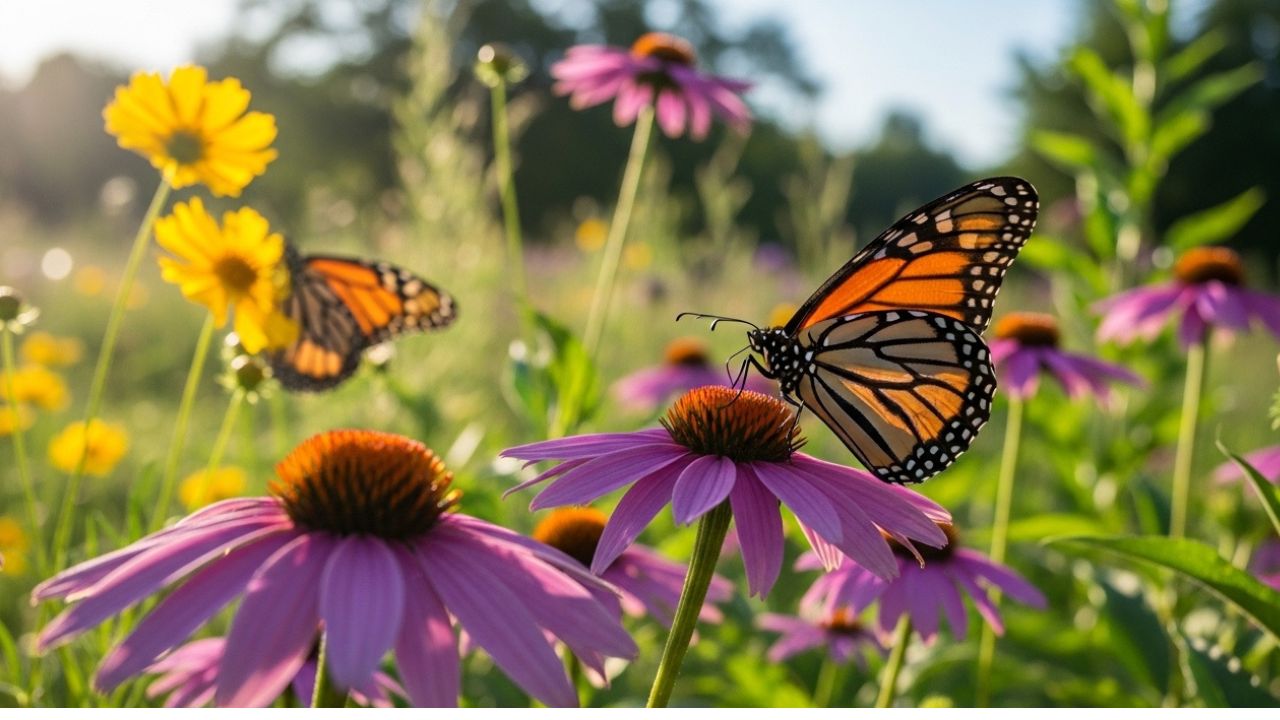
Planting monarch butterfly flowers is one of the most effective ways to support pollinators while adding vibrant beauty to your garden. Monarch butterflies are famous for their striking orange-and-black wings and incredible migration journeys spanning thousands of miles. However, their populations have declined significantly due to habitat loss, pesticide use, and climate change.
By growing the right monarch butterfly flowers, gardeners can provide essential nectar sources and breeding habitats that help these delicate insects survive and reproduce. Whether you have a large backyard or a small balcony garden, selecting the proper plants can make a meaningful difference for monarch conservation.
This guide explores the best monarch butterfly flowers, how to grow them successfully, and how you can design a garden that attracts monarchs year after year.
Why Monarch Butterfly Flowers Are Important
Supporting the Monarch Life Cycle
Monarch butterflies rely heavily on specific plants during different stages of their lives. Adult butterflies require nectar-rich flowers for energy, while caterpillars depend almost exclusively on milkweed species as their food source.
Without appropriate monarch butterfly flowers, monarch populations struggle to complete their life cycle.
Helping Pollinator Ecosystems
Monarch-friendly gardens do more than help butterflies. They also support bees, hummingbirds, and other beneficial insects that pollinate fruits, vegetables, and wild plants. Planting these flowers strengthens biodiversity and promotes ecological balance.
Best Monarch Butterfly Flowers to Grow
Choosing a variety of monarch butterfly flowers ensures blooms throughout the growing season, providing continuous food sources.
Milkweed: The Essential Monarch Plant
Milkweed is the most important plant for monarch butterflies because it serves as both a nectar source and a host plant for caterpillars.
Common varieties include:
- Common milkweed
- Swamp milkweed
- Butterfly weed
- Tropical milkweed (use responsibly in warm climates)
Female monarchs lay eggs exclusively on milkweed leaves, making this plant essential for reproduction.
Coneflowers (Echinacea)
Coneflowers are hardy perennials known for their large, daisy-like blooms. Their nectar-rich centers attract monarch butterflies throughout summer and early fall.
Benefits include:
- Drought tolerance
- Long blooming season
- Easy maintenance
Black-Eyed Susans
These cheerful yellow flowers provide accessible nectar and thrive in many soil conditions. They also add bright color contrast to monarch gardens.
Lantana
Lantana produces clusters of small, colorful flowers that continuously bloom in warm climates. Monarch butterflies frequently visit lantana due to its abundant nectar.
Zinnias
Zinnias are among the easiest monarch butte-rfly flowers for beginners. Their flat petals make landing simple for butterflies, and they bloom quickly from seed.
How Monarch Butterfly Flowers Support Migration
Fueling Long-Distance Travel
Monarch butterflies migrate thousands of kilometers between breeding and overwintering sites. Nectar from monarch butterfly flowers provides the carbohydrates needed for sustained flight.
Planting late-season bloomers such as asters and goldenrod helps monarchs prepare for migration by building energy reserves.
Creating Migration Corridors
When many gardeners plant monarch butterfly flowers across regions, they create a network of feeding stations. These connected habitats act as migration corridors, improving survival rates during long journeys.
How to Design a Garden with Monarch Butterfly Flowers
Choose a Sunny Location
Monarch butterflies prefer warm, sunny environments. Select a garden area receiving at least six hours of sunlight daily.
Plant in Clusters
Grouping monarch but-terfly flowers together makes them easier for butterflies to locate. Large patches also provide more efficient feeding opportunities.
Provide Bloom Variety
Include plants that bloom in:
- Spring
- Summer
- Fall
This ensures nectar availability throughout the monarch’s active season.
Add Water Sources
Butterflies need shallow water sources for hydration and minerals. A simple dish with wet sand or small stones works well.
Seasonal Monarch Butterfly Flowers to Plant
Spring Bloomers
Early flowers help monarchs emerging from migration regain energy.
Examples include:
- Phlox
- Verbena
- Early milkweed varieties
Summer Bloomers
Summer is peak breeding season, making abundant nectar critical.
Recommended plants:
- Zinnias
- Coneflowers
- Bee balm
Fall Bloomers
Late-season monarch butt-erfly flowers help butterflies prepare for migration.
Best options include:
- Goldenrod
- Asters
- Mexican sunflower
Growing Tips for Healthy Monarch Butterfly Flowers
Avoid Pesticides
Chemical pesticides harm butterflies and caterpillars. Use natural pest control methods such as companion planting or manual removal.
Use Native Plants
Native monarch butt-erfly flowers adapt better to local climates and require less maintenance. They also provide the most suitable nutrition for local pollinators.
Maintain Soil Health
Healthy soil produces stronger plants and more nectar-rich blooms. Add compost regularly to improve soil fertility.
Allow Natural Growth
Avoid excessive pruning during breeding seasons since caterpillars may be feeding on leaves.
Common Mistakes When Planting Monarch Butterfly Flowers
Planting Only Nectar Flowers
Many gardeners forget milkweed, which monarch caterpillars need to survive. A successful garden includes both nectar plants and host plants.
Overly Tidy Gardens
Leaving some natural plant debris provides shelter for insects and supports biodiversity.
Using Non-Native Ornamentals
While decorative plants may look attractive, they may not supply adequate nectar for monarch butterflies.
Benefits of Growing Monarch Butterfly Flowers at Home
Environmental Benefits
Planting monarch but-terfly flowers contributes to conservation efforts by restoring lost habitats in urban and suburban areas.
Educational Opportunities
Families and schools can observe the entire monarch life cycle—from egg to caterpillar to butterfly—creating engaging learning experiences.
Enhanced Garden Beauty
Monarch-friendly gardens are filled with movement, color, and biodiversity, transforming outdoor spaces into living ecosystems.
How Communities Can Promote Monarch Butterfly Flowers
Community initiatives play a powerful role in monarch conservation.
Ideas include:
- School pollinator gardens
- Public park planting programs
- Neighborhood seed exchanges
- Awareness campaigns about pollinator protection
When communities collaborate, the impact of monarch but-terfly flowers expands far beyond individual gardens.
The Future of Monarch Butterflies and Flower Conservation
Conservation experts emphasize habitat restoration as one of the most effective strategies for protecting monarch populations. Planting mon-arch butterfly flowers at scale helps rebuild ecosystems affected by urbanization and agriculture.
Every garden planted becomes part of a larger environmental solution. Even small efforts contribute to preserving migration routes and supporting future generations of monarch butterflies.
Conclusion:
Creating a garden filled with monarch butterfly flowers is a simple yet powerful way to support wildlife and enhance natural beauty. By selecting nectar-rich blooms, planting milkweed, and maintaining a pesticide-free environment, anyone can help monarch butterflies thrive.
As more individuals plant monarch butterfly flowers, collective action strengthens ecosystems and protects one of nature’s most remarkable migratory species. Your garden can become a safe haven that nourishes butterflies while inspiring environmental stewardship for years to come.