

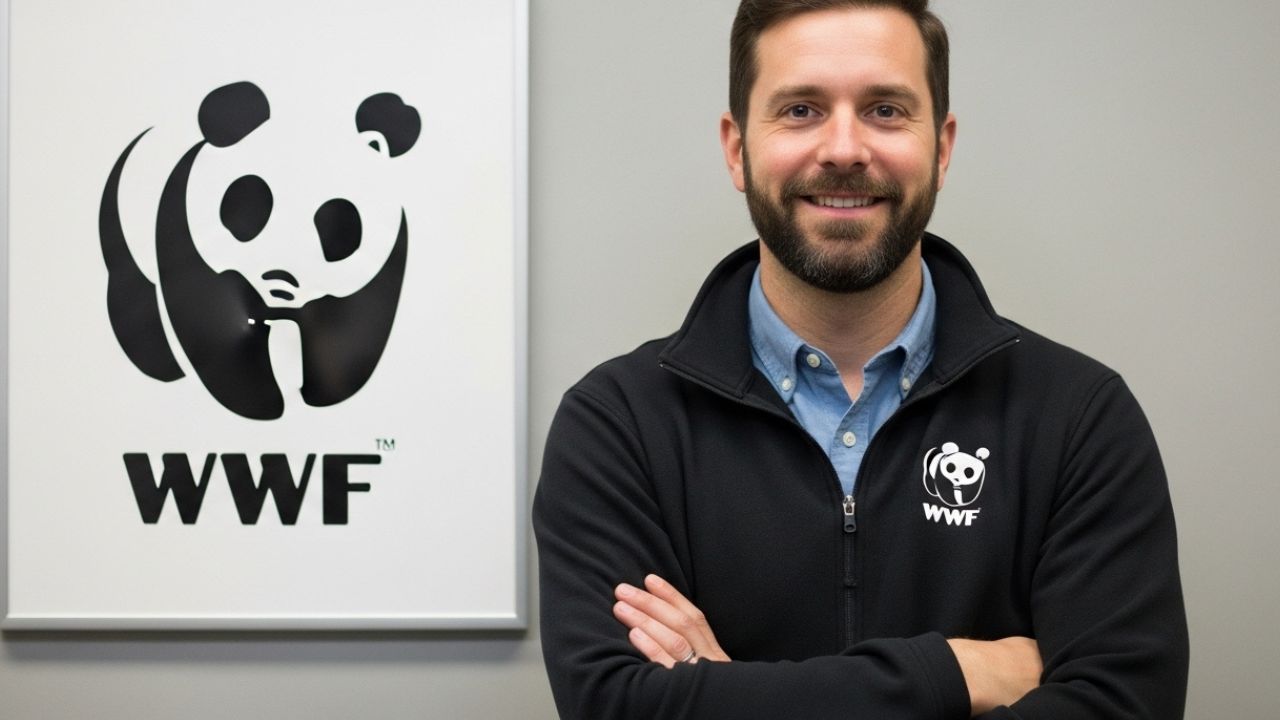
As climate change continues to impact weather patterns globally, severe thunderstorm alerts have become increasingly common in regions like South Carolina. The World Wildlife Fund (WWF) plays a crucial role in addressing the factors contributing to such weather events through its commitment to conservation and sustainability. This article will explore the importance of WWF careers in combating climate change while simultaneously examining the recent severe thunderstorm alerts issued for South Carolina counties.
Understanding Severe Thunderstorm Alerts
What Are Severe Thunderstorm Alerts?
Severe thunderstorm alerts are official notifications from the National Weather Service (NWS) indicating that severe thunderstorms are imminent or occurring in a specific area. These alerts highlight the potential for damaging winds, large hail, and heavy rainfall, making them essential for informing residents about possible dangers.
The Importance of Timely Alerts
Timely alerts are vital for ensuring the safety of communities. When a severe thunderstorm alert is issued, it prompts individuals and families to take immediate action to protect themselves and their property from the anticipated severe weather conditions.
Severe Thunderstorm Trends in South Carolina
Recent Weather Patterns
In recent years, South Carolina has witnessed an uptick in severe weather events, including thunderstorms. This trend can be attributed to several factors, including climate change, urbanization, and shifting weather patterns. As temperatures rise and weather systems become more unstable, the likelihood of severe thunderstorms increases.
Community Impacts of Severe Thunderstorms
Severe thunderstorms can significantly affect communities in South Carolina:
- Infrastructure Damage: Strong winds and heavy hail can cause substantial damage to homes, businesses, and public infrastructure, leading to costly repairs and disruptions in essential services.
- Public Safety Risks: Severe thunderstorms can pose significant risks to public safety, including flying debris, flooding, and power outages, which can create emergency situations.
- Economic Consequences: Businesses may suffer interruptions due to severe weather, leading to economic losses that can impact local economies and livelihoods.
The Role of WWF in Climate Change Mitigation
What is WWF?
The World Wildlife Fund (WWF) is an international organization dedicated to wildlife conservation and reducing the global footprint of human activities. WWF focuses on various environmental issues, including climate change, habitat preservation, and sustainable resource management.
Career Opportunities at WWF
WWF offers a diverse array of career paths for those passionate about conservation and environmental protection:
- Field Research Positions: These roles involve conducting scientific research in various ecosystems, providing valuable data to inform conservation efforts.
- Policy and Advocacy Roles: WWF employees work on developing policies aimed at promoting sustainability and protecting natural resources at local, national, and international levels.
- Community Engagement Specialists: These professionals focus on educating communities about conservation issues and implementing local sustainability initiatives.
- Communications and Outreach: Effective communication is crucial for raising awareness about environmental issues, and WWF hires skilled communicators to share its mission and initiatives.
Why Consider a Career with WWF?
Choosing a career with WWF allows individuals to contribute meaningfully to global conservation efforts. Employees are part of a mission-driven organization dedicated to tackling pressing environmental challenges, such as climate change, which have far-reaching implications for weather patterns, including severe thunderstorms.
Preparing for Severe Thunderstorms
Community Preparedness Strategies
Communities must take proactive measures to prepare for severe thunderstorms:
- Emergency Response Plans: Local governments should develop comprehensive emergency response plans outlining procedures for addressing severe weather events and ensure that residents are informed.
- Public Awareness Campaigns: Engaging residents through public education initiatives can raise awareness about severe weather risks and promote proactive preparedness measures.
- Collaboration with Organizations: Partnering with organizations like WWF can help communities build resilience by implementing sustainable practices that mitigate the effects of climate change.
Individual Preparedness Measures
Residents can take various steps to prepare for severe thunderstorms:
- Assemble Emergency Kits: Households should prepare emergency kits consisting of essentials such as water, non-perishable food, first-aid supplies, flashlights, and important documents.
- Secure Property: Homeowners should assess their properties for vulnerabilities, ensuring that outdoor items are secured and that necessary repairs are made to roofs and windows.
- Stay Informed: Monitoring local weather updates through reliable channels, including radio, television, and weather apps, is essential for receiving timely alerts and forecasts.
The Connection Between Climate Change and Severe Weather
Understanding Climate Change
Climate change refers to long-term alterations in temperature, precipitation, and other atmospheric conditions, often driven by human activities, such as burning fossil fuels and deforestation. These changes can lead to more extreme weather events, including severe thunderstorms.
How WWF Addresses Climate Change
WWF’s initiatives to combat climate change encompass a wide range of strategies, including:
- Promoting Renewable Energy: Transitioning to renewable energy sources can reduce greenhouse gas emissions that contribute to climate change.
- Conservation of Biodiversity: Protecting ecosystems and biodiversity is essential for maintaining natural balance and resilience against climate impacts.
- Implementing Sustainable Practices: WWF advocates for sustainable agricultural practices, responsible consumption, and waste reduction to minimize environmental footprints.
Engaging Communities in Conservation
Raising Awareness
Effective community engagement is vital for fostering a culture of sustainability:
- Educational Programs: WWF offers educational programs that inform communities about the impacts of climate change and the importance of conservation.
- Volunteer Opportunities: Individuals can participate in WWF’s conservation initiatives through volunteer programs, helping to implement local sustainability projects.
- Advocacy and Partnerships: Communities can work with WWF and other organizations to advocate for policies that promote environmental protection and mitigate climate change effects.
Conclusion
As South Carolina faces increasing severe thunderstorm alerts, understanding the connection between climate change and weather events is crucial. Organizations like the WWF play a pivotal role in addressing the factors that contribute to severe weather through their conservation efforts and advocacy. Pursuing a career with WWF allows individuals to align their professional aspirations with their commitm
Frequently Asked Questions About wwf-careers
1. What does WWF stand for?
WWF stands for the World Wildlife Fund, an international organization focused on wildlife conservation and environmental protection.
2. How do WWF careers address climate change?
WWF careers involve roles in conservation science, policy advocacy, community engagement, and sustainability initiatives that aim to combat the effects of climate change.
3. What are severe thunderstorm alerts?
Severe thunderstorm alerts are warnings issued by the National Weather Service indicating that severe weather conditions, such as damaging winds and heavy rainfall, are imminent.
4. How can individuals prepare for severe thunderstorms?
Individuals can prepare by assembling emergency kits, securing outdoor items, staying informed through reliable weather updates, and developing a family safety plan.
5. What types of jobs are available at WWF?
WWF offers a variety of positions, including field research, policy advocacy, community engagement, communications, and fundraising roles.
6. How does climate change relate to severe thunderstorms?
Climate change can increase the frequency and intensity of severe weather events, including thunderstorms, leading to more significant impacts on communities.
7. What initiatives does WWF lead to combat climate change?
WWF promotes renewable energy, advocates for sustainable practices, conserves biodiversity, and partners with communities to address climate-related challenges.
8. How can communities prepare for severe thunderstorms?
Communities should develop emergency response plans, conduct public education campaigns, and collaborate with organizations like WWF for sustainability initiatives.
9. Can I volunteer for WWF?
Yes, WWF offers various volunteer opportunities for individuals to get involved in conservation efforts and community outreach programs.
10. Where can I find more information about WWF careers?
You can visit the WWF official website to explore available job openings, internships, and career resources focused on conservation and sustainability.