

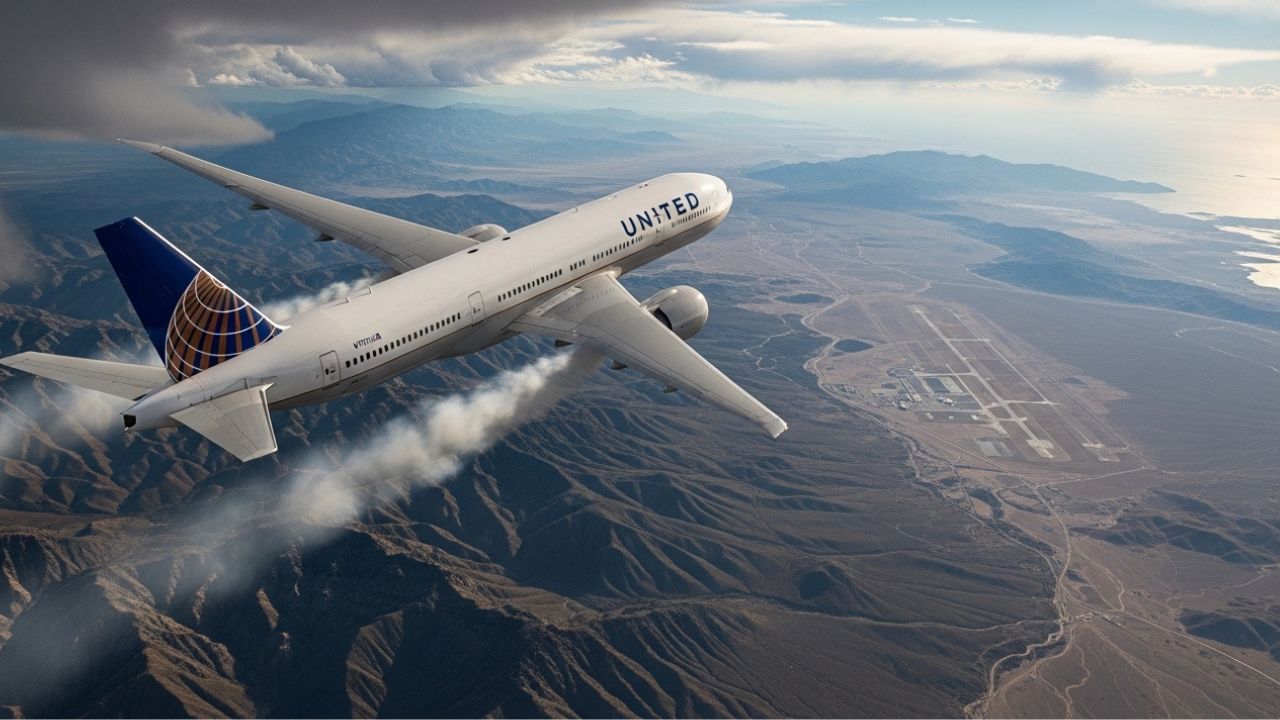
The united airlines fli-ght ua770 emergency diversion became a major topic of discussion after reports surfaced about the aircraft changing course mid-journey. Emergency diversions are rare but critical events in aviation, designed to protect passengers, crew, and the aircraft itself. This article explains what an emergency diversion is, explores the circumstances surrounding United Airlines Flight UA770, and highlights why such decisions are essential to flight safety.
Understanding the United Airlines Flight UA770 Emergency Diversion
An emergency diversion occurs when a flight must land at an airport different from its original destination due to an unexpected situation. In the case of the united airli-nes flight ua770 emergency diversion, the flight crew identified a potential risk that required immediate action. While diversions can cause inconvenience, they are guided by strict safety protocols and international aviation regulations.
Pilots are trained to assess situations such as mechanical irregularities, medical emergencies, or external threats. When safety margins are affected, diverting the aircraft becomes the safest option.
What Triggered the United Airlines Flight UA770 Emergency Diversion?
Although airlines do not always release detailed technical information immediately, emergency diversions generally happen for a few common reasons. The united airlines flight ua770 emer-gency diversion may have been influenced by one or more of the following factors:
-
Technical or mechanical alerts detected in the cockpit
-
Medical emergencies involving passengers or crew
-
Weather disruptions affecting the flight path
-
Operational or safety concerns identified during flight
Modern aircraft systems are highly sensitive and designed to detect issues early. Even minor warnings can lead to a diversion if continuing the flight could increase risk.
How Emergency Diversions Are Managed in Aviation
The united airlines flight ua770 eme-rgency diversion followed a well-established aviation process. Once a concern is identified, pilots communicate with air traffic control to determine the nearest suitable airport. Factors such as runway length, weather conditions, and emergency services availability are evaluated.
Cabin crew are informed so they can prepare passengers, while airline operations teams coordinate ground support. This structured approach ensures the aircraft lands safely and assistance is immediately available.
Passenger Experience During the United Airlines Flight UA770 Emergency Diversion
For passengers, an emergency diversion can be stressful and confusing. During the unit-ed airlines flight ua770 emergency diversion, travelers may have noticed changes in flight announcements, route tracking, or landing plans.
Airlines typically provide:
-
Clear communication from the flight crew
-
Medical or technical assistance upon landing
-
Rebooking options or accommodations if delays occur
While delays are frustrating, diversions prioritize safety over schedule, which is the airline’s top responsibility.
Safety Protocols Behind Emergency Diversions
The un-ited airlines flight ua770 emergency diversion highlights how aviation safety systems work together. Airlines operate under international standards set by aviation authorities, requiring crews to act conservatively when safety indicators arise.
Aircraft maintenance teams inspect the plane thoroughly after landing, ensuring any issue is resolved before the aircraft returns to service. This layered safety approach helps maintain the aviation industry’s strong safety record.
Media and Public Reaction to the United Airlines Flight UA770 Emergency Diversion
News of the unit-ed airlines flight ua770 emergency diversion spread quickly across news platforms and social media. Such incidents often attract attention because they involve unexpected changes during travel.
While speculation is common, it is important to rely on verified airline statements rather than rumors. Emergency diversions are precautionary measures and do not necessarily indicate a serious failure.
Why Emergency Diversions Are a Sign of Strong Aviation Safety
The unit-ed airlines flight ua770 emergency diversion should be viewed as evidence of effective safety culture rather than a failure. Airlines invest heavily in training, technology, and procedures to ensure early detection of potential risks.
By choosing to divert, flight crews demonstrate professionalism and commitment to passenger well-being. Most diverted flights land safely and resume operations after necessary checks are completed.
Lessons from the United Airlines Flight UA770 Emergency Diversion
Several important lessons can be drawn from the uni-ted airlines flight ua770 emergency diversion:
-
Safety always comes first in aviation decision-making
-
Diversions are preventive, not reactive
-
Modern aircraft systems are designed to catch issues early
-
Passenger cooperation helps ensure smooth handling of diversions
Understanding these points can help travelers feel more confident when unexpected situations arise.
Conclusion: Understanding the United Airlines Flight UA770 Emergency Diversion
The united airlines flight ua770 emergency diversion underscores how airlines manage unexpected challenges with safety as the top priority. While diversions disrupt travel plans, they reflect careful risk assessment and adherence to global aviation standards. For passengers, staying informed and patient during such events is key, as every decision made by the flight crew is focused on ensuring a safe outcome.